

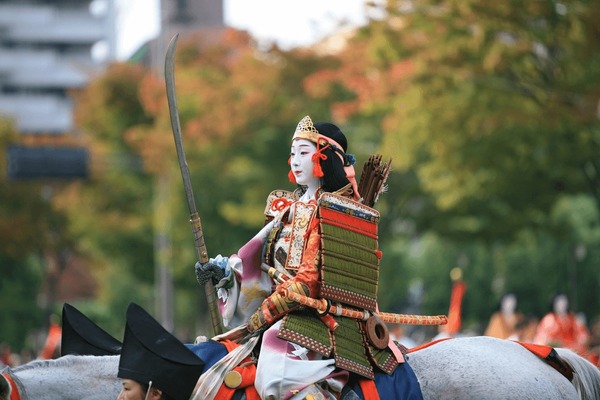
There’s a moment in Kyoto, usually in October, when the air itself seems to change. The lingering humidity of summer gives way to a crisp, dry coolness, carrying with it the faint, sweet scent of drying kuri (chestnuts) and the earthy fragrance of ancient wood and stone. While the famous maple trees are only just beginning to blush with the first hints of crimson and gold, the city stirs with a different kind of energy—one of sacred celebration and quiet anticipation. Visiting Kyoto in October is not just about seeing sights; it’s about stepping into a living, breathing tapestry where ancient traditions, vibrant modern life, and the breathtaking beauty of nature are intricately woven together. This is your guide to experiencing the soul of Kyoto in this most magical season.
A Celebration of Fire and History: October’s Iconic Festivals
To truly understand Kyoto in autumn, you must sync your rhythm with its heartbeat, and that means embracing the profound cultural events that define the month.
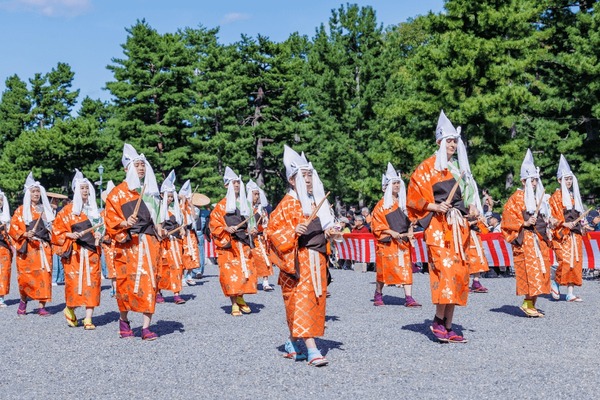
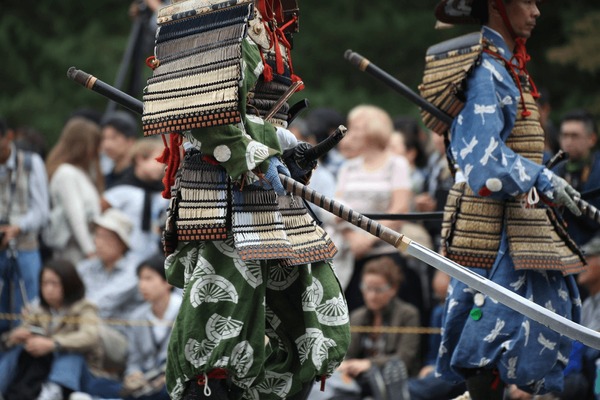
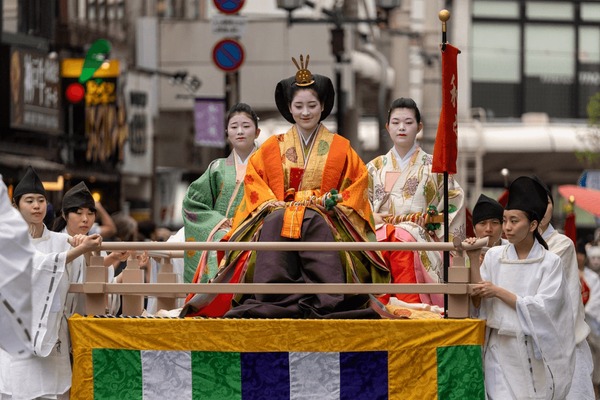
The Jidai Matsuri (Festival of the Ages) on October 22nd is more than a parade; it’s a moving history book. Imagine a grand procession of over 2,000 participants, all dressed in meticulously recreated costumes from every era of Kyoto’s thousand-year history as the imperial capital, solemnly parading from the Imperial Palace to Heian Shrine . The rustle of silk, the glint of ancient armor, and the solemn atmosphere feel like watching a scroll painting of Japanese history unfurl before your eyes.
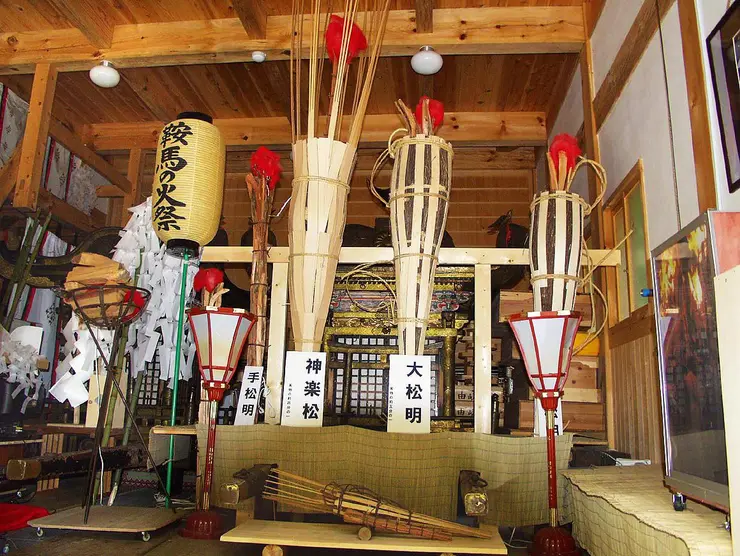
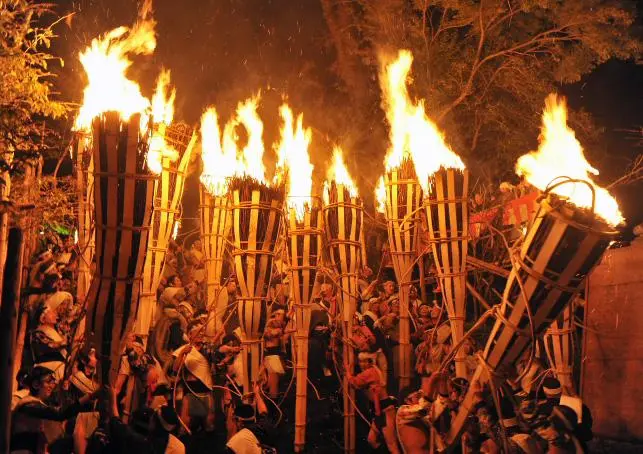
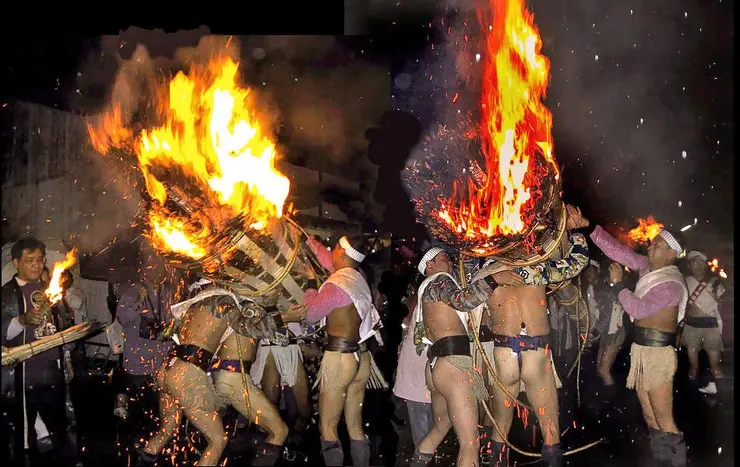
Then, as dusk falls on that very same day, the energy shifts dramatically. In the northern mountain village of Kurama, the Kurama no Hi Matsuri (Kurama Fire Festival) ignites the night . The entire village is illuminated by massive flaming torches carried by local men and children, chanting and marching in a primal, breathtaking scene of fire and shadow. The air crackles with energy as they parade the mikoshi (portable shrine) through the narrow streets, recreating a scene from over a thousand years ago. It is an intense, unforgettable spectacle that connects you to Japan’s ancient spiritual traditions.
Beyond the Giants: Seasonal Sights and Tastes
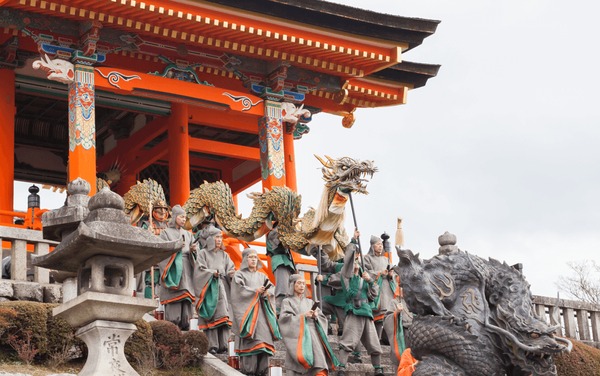
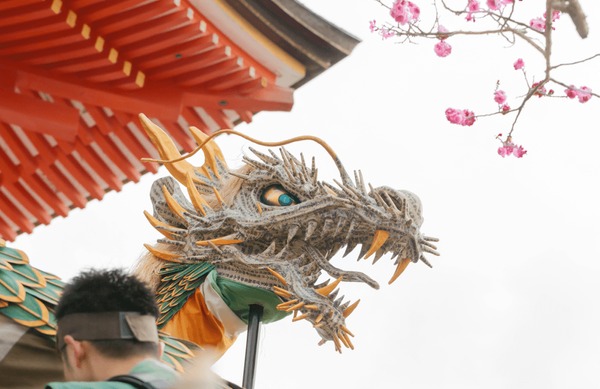
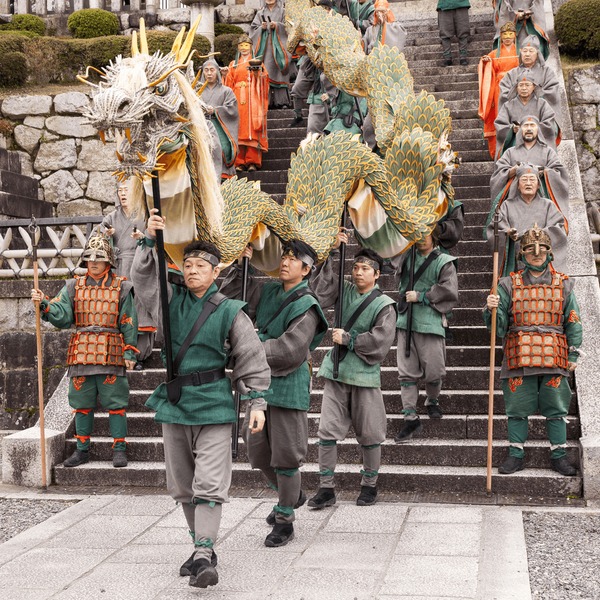
Beyond these two giants, the month is dotted with smaller, equally enchanting events. For a dose of theatrical folklore, the Kiyomizu-dera Seiryu-e Dragon Festival on October 15th sees a magnificent blue dragon, symbolizing the temple’s guardian spirit, paraded through the grounds to the beat of drums . And for a truly tranquil experience, seek out the Kangetsu Moon Viewing events at temples like Daikaku-ji, where you can contemplate the beauty of the harvest moon in a serene garden setting, a poetic tradition deeply cherished in Japanese culture .
This is also a fantastic time for food lovers. The Umekoji Handicrafts Market on the first Saturday of the month is a wonderful place to find unique, handmade souvenirs from local artisans, from ceramics to jams . And for a truly unique experience, don’t miss the Kyoto Bread Festival, where you can sample the city’s famous fluffy and sweet breads and pastries in a lively, festive atmosphere .
The Early Blush of Autumn: Foliage and Serene Strolls
While the famous crimson peak of autumn foliage is still a few weeks away, October is the perfect time to enjoy the early changers and the quiet anticipation of the season. The colors start at the higher elevations and in the city’s northern pockets, offering a beautiful gradient of greens, golds, and early reds.
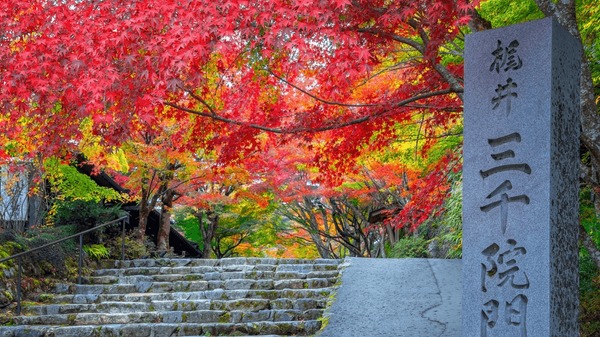
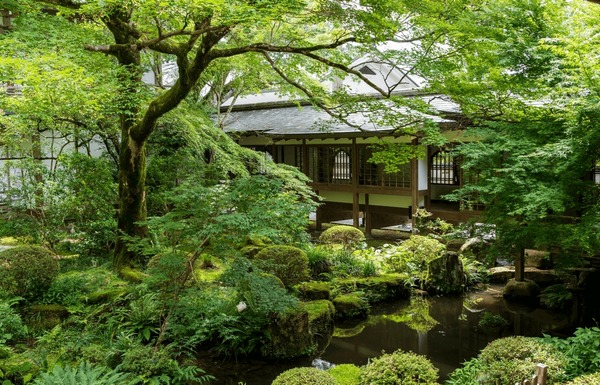
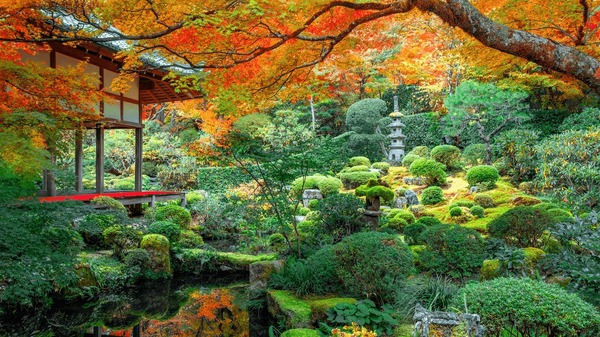
For a truly serene experience that feels a world away from the city center, take the one-hour bus ride to Ohara. This peaceful mountain town is home to Sanzen-in Temple, a local favorite often overlooked by tourists on tight schedules . The temple grounds are a masterpiece of moss, ancient trees, and tranquil ponds. Sitting in the main hall, gazing out at the lush, raked garden, is a moment of pure, undisturbed peace. The sound of chanting monks and the trickle of water are the only interruptions.
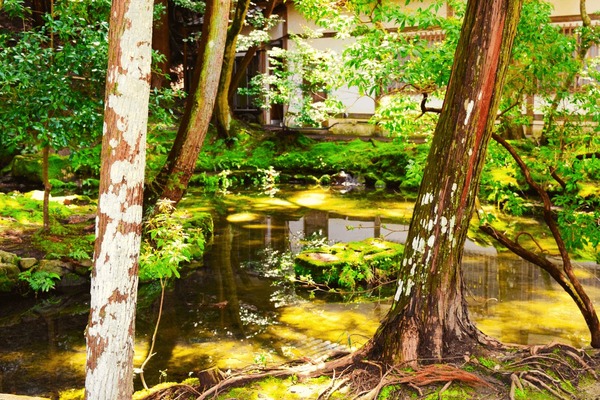
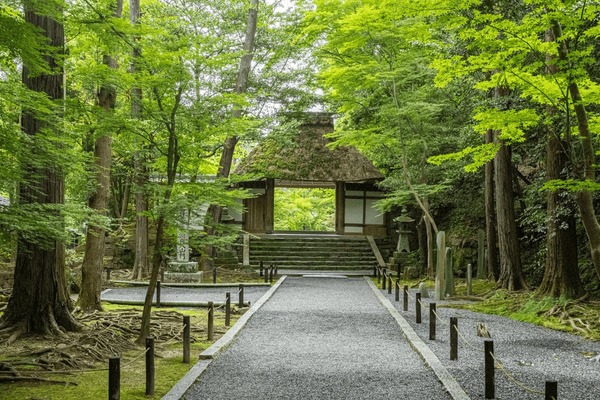
Back in the city, make time for the Philosopher’s Path. This two-kilometer stone path follows a canal and is a beloved spot for a contemplative stroll year-round . In October, the maple trees lining the path are just beginning to turn, creating dappled light and pockets of stunning color. It’s a fantastic area to explore without the overwhelming crowds of November. Duck into the hidden Hōnen-in Temple, a quiet sub-temple with beautiful sand gardens, to escape the beaten path completely.
Kyoto’s Hidden Heart: Where Locals Live and Relax
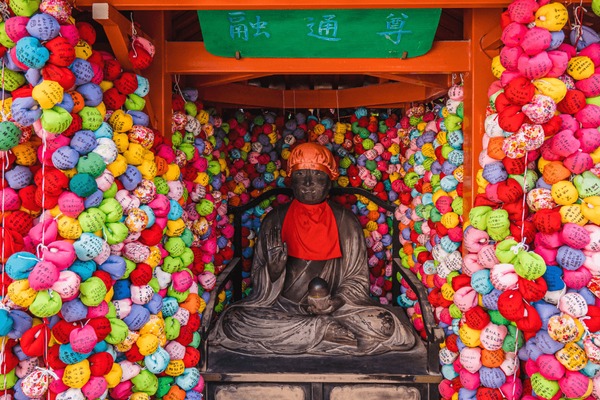
Kyoto’s magic also lies in its hidden corners, places where you can escape the tourist trail and feel the city’s more intimate pulse. Just behind the bustling Kiyomizu-dera temple, you’ll find Yasaka Kōshin-dō, colloquially known as the “pom pom temple” . This small, vibrant temple is adorned with colorful ball-shaped charms called kukurizaru. Visitors write a single wish on one of these charms, believing that by taming a desire, their wish will be granted. It’s a photogenic and unique spot that captures a more personal side of Japanese spirituality.
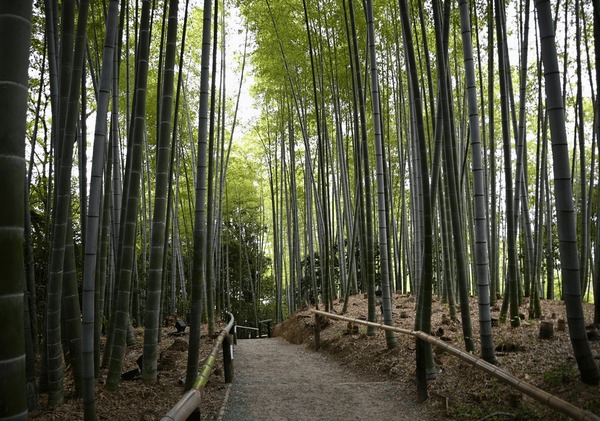
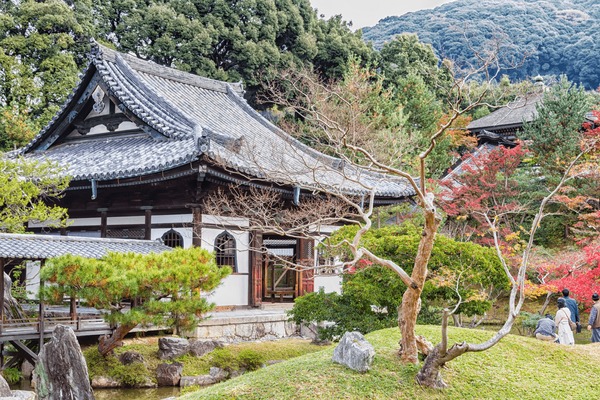
Another incredible way to avoid the crowds is to discover the hidden bamboo groves within the grounds of Kodai-ji temple . While the famous Arashiyama Bamboo Grove is packed with visitors, the path through Kodai-ji offers a much more peaceful and intimate experience with the towering green stalks. For art lovers, Kennin-ji, the oldest Zen temple in Kyoto, is an absolute must-visit . The main hall is dominated by a breathtaking, vibrant ceiling painting of two intertwined dragons, a modern masterpiece that will leave you in awe.
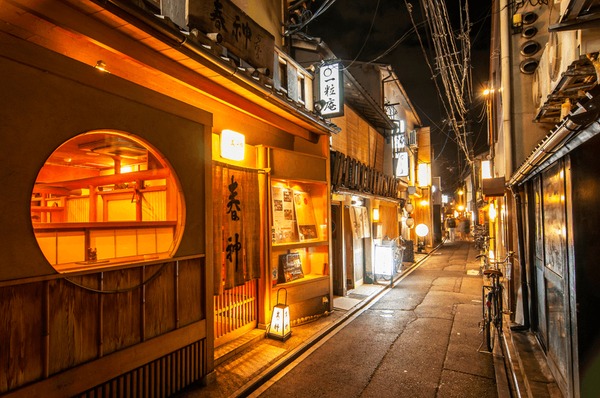
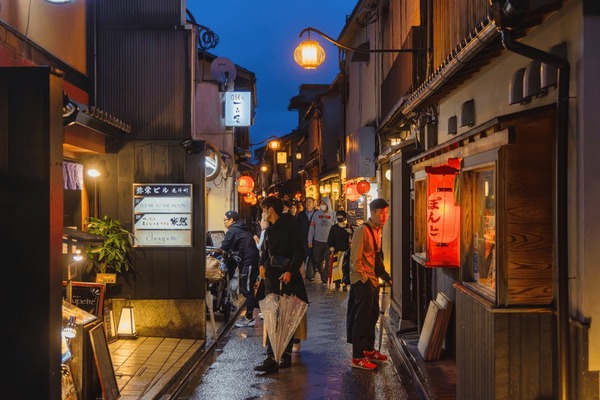
When the sun sets, the historic Pontocho Alley transforms . This narrow, lantern-lit pedestrian lane running parallel to the Kamo River is shrouded in mystery and allure. It’s packed with tiny, often unmarked restaurants and bars, many of which are izakaya (Japanese pubs) frequented by locals. It can feel intimidating, but it’s the perfect place for an adventure. Follow your nose to discover a hidden pub for some sakana (pub snacks) and locally brewed sake.
Finding Your Home in the Ancient Capital: Where to Stay
Choosing the right neighborhood is the first step to crafting your perfect Kyoto trip. Each area offers a distinctly different vibe, and finding the one that matches your travel style will make all the difference.
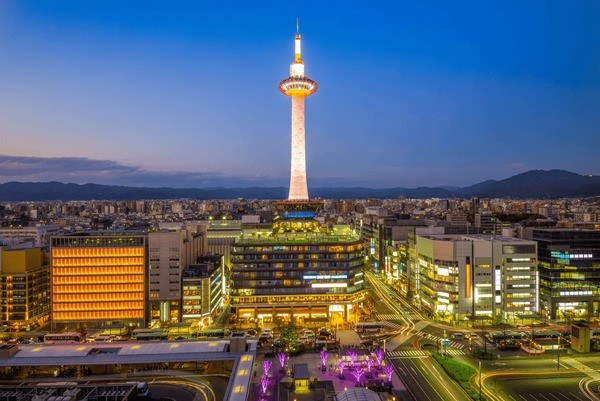
For first-time visitors who want to be in the heart of the action, with easy access to shopping, dining, and nightlife, Downtown Kyoto is your best bet . This area puts you within walking distance of the picturesque Pontocho Alley and the delicious labyrinth of Nishiki Market, Kyoto’s famous kitchen. It’s a vibrant, energetic base that perfectly blends the modern and the traditional.
If you’ve come to Kyoto dreaming of old-world charm, Gion and the Higashiyama district are where you’ll find it . These historic areas are characterized by cobblestone streets, traditional wooden machiya houses, and an atmosphere that feels suspended in time. Staying here means you’re just a short stroll from iconic sites like Kiyomizu-dera Temple, and you might even spot a Geiko or Maiko on her way to an appointment. Be aware that these areas tend to be quieter at night.
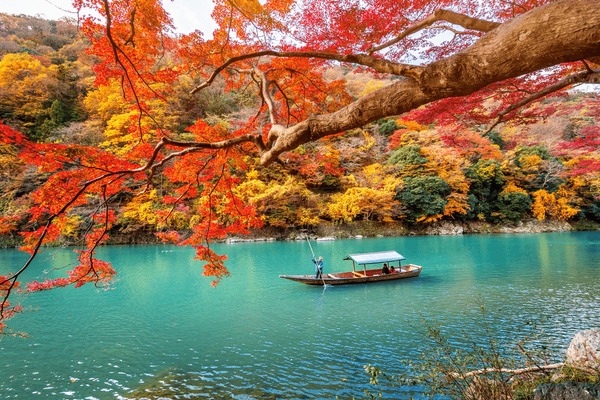
For those seeking a more peaceful, nature-focused retreat, Arashiyama in western Kyoto is an excellent choice . Famous for its bamboo groves and scenic river views, staying here allows you to experience the iconic sights in the early morning or late evening, when the day-trip crowds have dissipated. It feels a world away from the city center, offering a tranquil escape after a day of exploration.
Unwinding and Savoring Kyoto: Relaxation and Dining
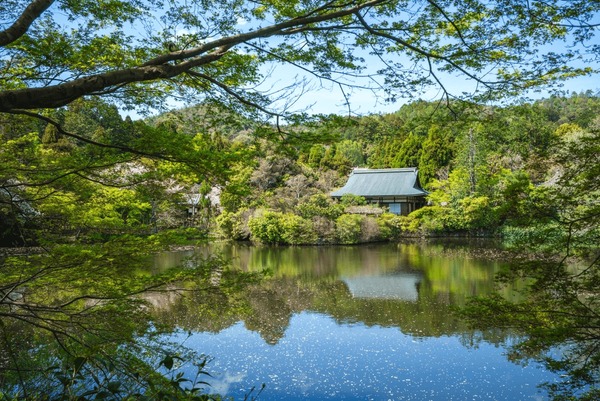
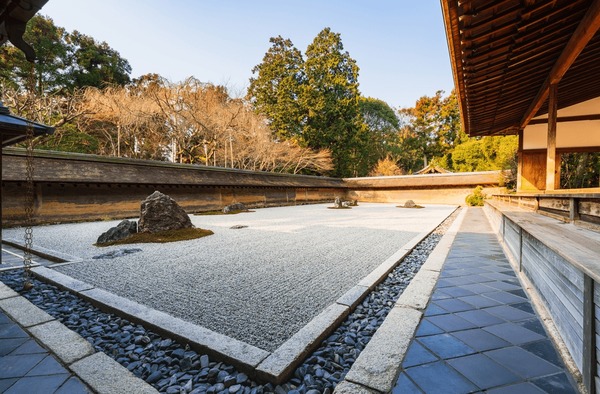
For a truly restorative experience, Kyoto offers countless ways to unwind and savor the moment. After a day of exploration, you can retreat into the serene world of a traditional tea ceremony, a practice born in Kyoto that focuses on mindfulness and grace; for an authentic experience, Maikoya is highly regarded for its welcoming atmosphere. When your muscles are tired from walking, nothing is better than soaking in a tranquil onsen; the historic Funaoka Onsen is a beloved local institution where you can soak your cares away in a classic setting. For a more active form of relaxation, find your calm by wandering the pristine Zen rock garden at Ryoanji Temple, a UNESCO World Heritage site where the enigmatic arrangement of rocks on raked gravel invites quiet contemplation.
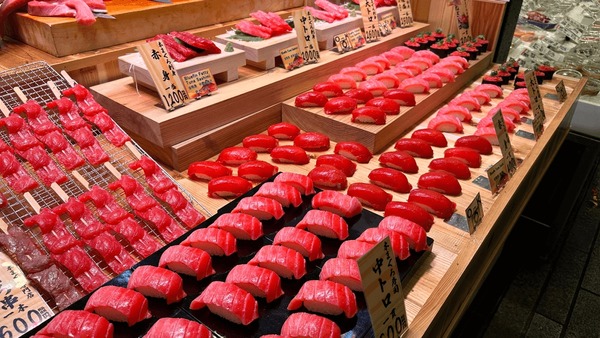
When it comes to dining, Kyoto’s food scene is a delight. For a quick and delicious bite, the Nishiki Market is a must-visit, known as “Kyoto’s Kitchen” with over a hundred stalls offering everything from marinated sashimi skewers to soy milk donuts. For a more substantial meal, head to Karasemitei for what some consider the best tonkatsu in the city, with a perfectly crispy exterior and juicy, flavorful meat. For a truly unique and local experience, visit Wabiya Korekido, which specializes in chicken dishes; their stone-grilled oyakodon is a creamy, comforting masterpiece served in a hot stone bowl. To end your day on a high note, seek out Bar Ixey in the Gion district. This hidden cocktail bar offers a magical experience with no menu—simply tell the bartender your preferences, and he will craft a bespoke cocktail using liqueurs made from herbs and citrus from his own garden.
A Final Thought on Your Kyoto Adventure
Kyoto in October is a city that reveals itself to those who are willing to wander, to look beyond the obvious, and to simply sit on the banks of the Kamo River at sunset, watching the city lights begin to twinkle. It’s in these quiet, unscripted moments, surrounded by the gentle hum of a city steeped in history, that you’ll feel the true, timeless heart of Kyoto. However you choose to explore it, you’re in for an unforgettable journey.
